

Arup: Shaping a better world with Microsoft AI
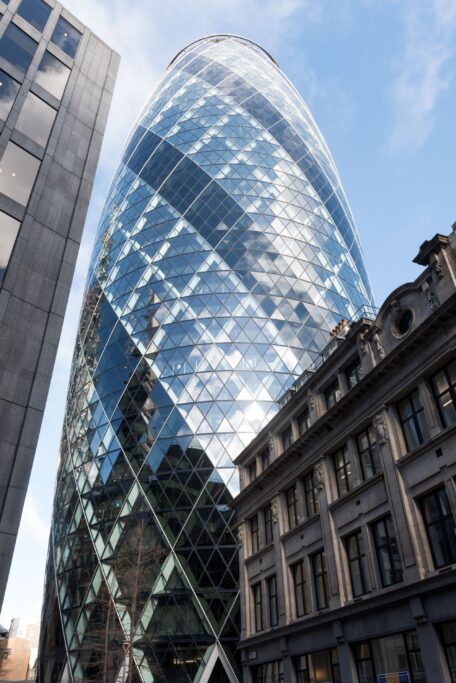
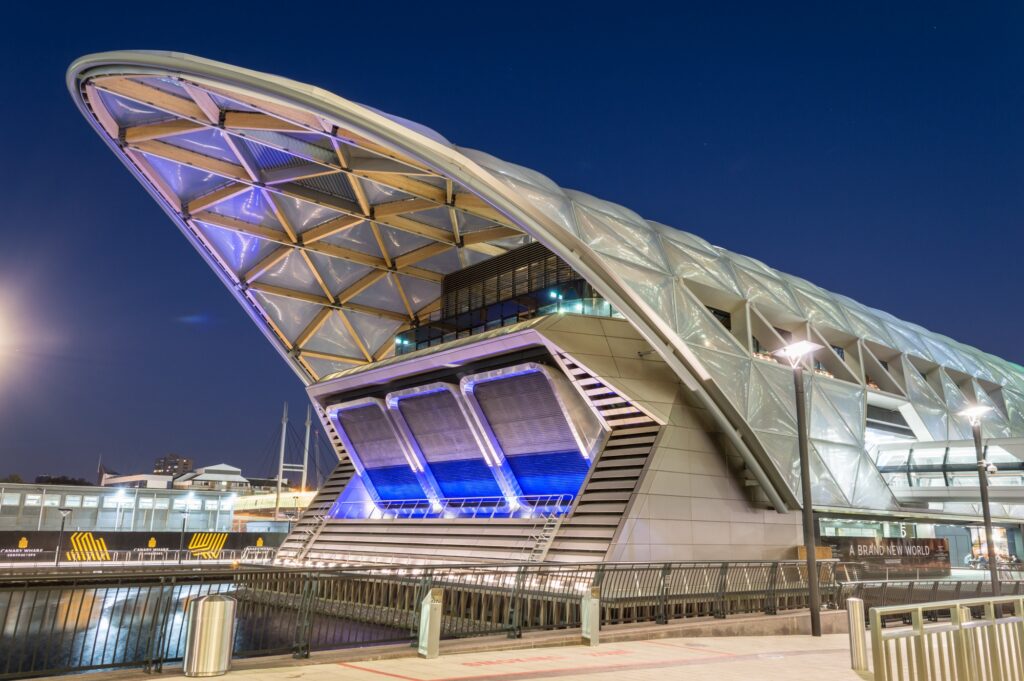
From the iconic sails of the Sydney Opera House to London’s torpedo-like ‘Gherkin’, from major railways to the datacentres powering the digital economy, Arup’s work is everywhere.
For nearly 80 years, the global engineering consultancy has helped clients turn ambitious ideas into buildings, infrastructure and cities that function safely and effectively in the real world.
Founded in 1946 by engineer and philosopher Sir Ove Arup, the firm built its reputation by tackling projects others thought were too complex, too risky, or simply impossible.
Ove Arup’s commitment to ‘Total Architecture’ – bringing an attitude of curiosity, collaboration, and questioning assumptions – hasn’t changed. What has changed is the scale of the challenge – and the tools Arup now uses to meet it.
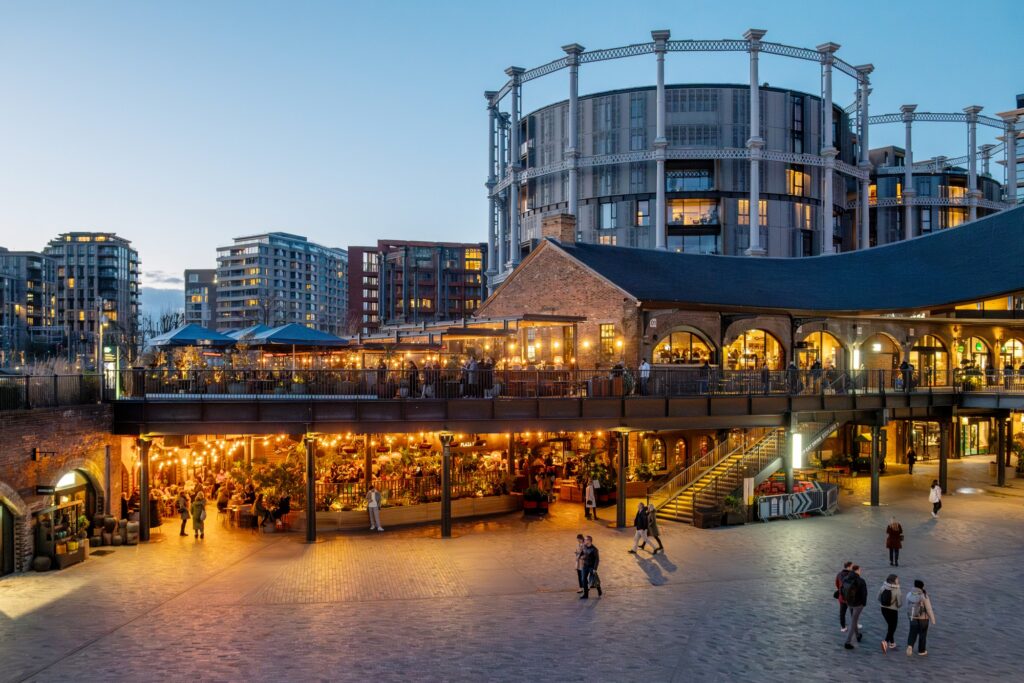
Today, the member-owned firm is home to more than 100 disciplines – from engineers and architects to economists and ecologists – working on around 16,000 projects every year for its clients across 130 countries.
These projects span new and retrofitted buildings, alongside critical transport, energy, water and technology infrastructure. Behind every project sits an extraordinary volume of knowledge: decades of past designs, technical standards, regulations and specialist expertise.
“The challenge for a firm like Arup isn’t a lack of knowledge,” says Dai David, Arup’s Chief Technology Officer. “It’s how you get the right information, in the right context, to the right person, at the right moment.”
Data first
A major technology challenge Arup faced was ensuring its rich repository of knowledge – mostly stored on multiple file servers and Microsoft SharePoint servers in regional datacentres – was centrally accessible in the cloud, says David.
This entailed moving its data and enterprise systems to Microsoft Azure and further developing the strong relationship the two companies already had.
“This wasn’t easy, but once data was centralised, it became far easier to share knowledge, gain insights and extract real value from it,” he says, especially when generative AI came along several years later.
And because Arup had standardised on Microsoft platforms such as Azure and Microsoft 365, it made applying generative AI that much quicker and ensured it had greater impact, says David.
Liberating knowledge
So the next step was to roll out Microsoft 365 Copilot firm-wide to members around the world and create AI agents to help them handle their projects and client relationships more efficiently.
They built Phoenix – a Microsoft AI-powered chatbot trained on decades of Arup’s specialist data – to give its engineers instant access to its own global expertise as well as all the latest rules and regulations governing engineering projects at a country level.
“By using AI, we’re now able to use search to create guidance and reports, and bring back information not just within a particular region, but across all regions, because we’re able to tap into that information much faster,” explains Dipesh Amin, Head of Microsoft 365 platforms at Arup.
Crucially, this acceleration is also improving the quality and consistency of our work, says Amin.
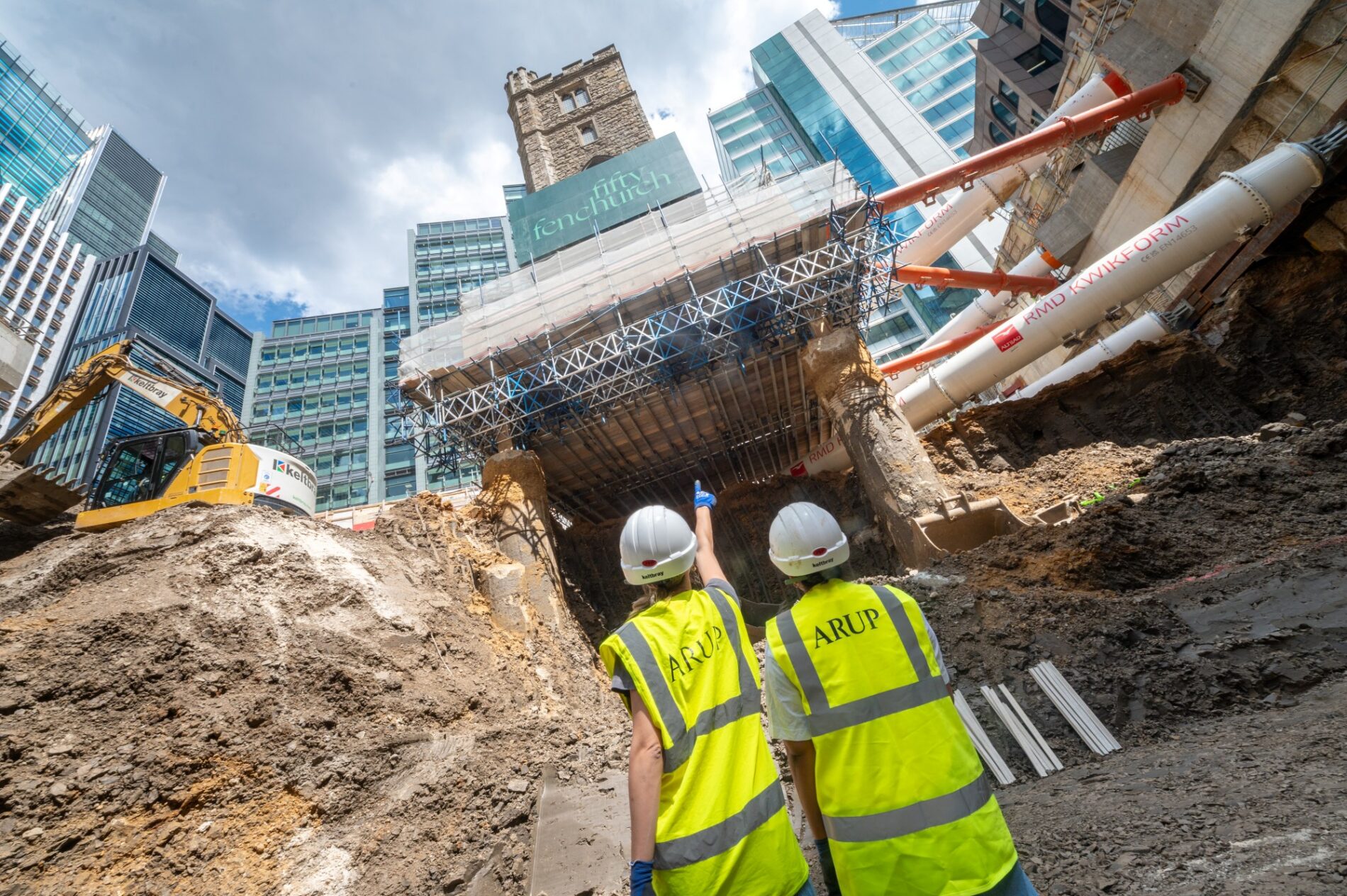
To take one example, every new building has to be assessed for fire safety.
“If you’re designing a building for 600 people, the regulations dictate how many exits, staircases and fire systems you need,” explains Barry Trim, Data Scientist at Arup. “Finding and interpreting the right guidance can take days – and getting it wrong can mean rework and delays.”
Now, using Phoenix, “we can complete those reviews more efficiently,” says Trim. “But the real benefit is about confidence and quality.
“Phoenix ensures teams are working from the correct version of the rules, which validates safety for our clients and reduces potentially costly mistakes.”
Winning smarter
Another AI-powered tool developed by Arup with Microsoft AI technology, is SmartBid -designed to tackle a different but equally complex challenge: how to respond to thousands of requests for proposals (RFPs) each year.
Arup’s database includes more than 150,000 past projects. Finding the most relevant examples – and the right people to work on a bid – has traditionally been time‑consuming.

SmartBid, built on Microsoft AI Foundry, uses AI to read incoming proposals, summarise key requirements and identify relevant experience from across the firm.
“It helps teams decide whether or not to bid, and how to put forward the strongest possible response consistently,” says Trim. “The aim isn’t to replace human judgement, but to support it with better information.”
This is helping Arup reduce the cost of bidding and win work more effectively.
Force multiplier
For Arup, the goal of AI isn’t automation for its own sake, but to free up time for their experts to work more creatively and solve difficult engineering challenges.
“We want our people spending less time searching, duplicating effort or checking documents, and more time doing what Arup is known for – solving complex problems with ingenuity and innovation,” says David.
This includes designing buildings with lower carbon footprints, infrastructure that’s more resilient to climate change, and public spaces that work better for the people who use them.
Looking ahead, Arup sees even bigger possibilities with the application of AI, from better simulations and “surrogate modelling”, to capturing the valuable knowledge of its most experienced engineers – many of whom have worked on thousands of projects – and making their expertise accessible to future generations.
“Imagine being able to tap into decades of experience, not just documents,” says David. “That’s incredibly powerful.”
Nearly eight decades after Sir Ove Arup founded the firm, the challenge remains the same: how to bring different disciplines together well to solve complex problems.
What’s changed is that, with Microsoft AI, Arup now has new ways to apply that expertise at scale – and an enhanced ability to engineer a better, safer, and more sustainable world.